NEWS
The latest news updates of the company are an important channel for you
to quickly learn about our company
to quickly learn about our company
In the modern automotive industry, precision engineering has become essential for optimizing vehicle performance and efficiency. One significant component contributing to this trend is the Oil Control Valve (OCV). The function of the Oil Control Valve in engine management systems is crucial, serving to regulate oil flow to various engine components. This device plays a vital role in enhancing engine performance, fuel efficiency, and overall vehicle reliability. By ensuring optimal oil pressure and flow, OCVs assist in minimizing wear and tear on engine parts, which ultimately leads to a longer lifespan for vehicles.
Picture this: you’re driving down a highway, and your engine suddenly loses power. This scenario can be linked directly to the failure of an OCV. Understanding the importance of an oil control valve can prevent such issues, offering tangible benefits like improved fuel economy—measured at an average of 15% increase in efficiency according to data from the Society of Automotive Engineers (SAE). In this article, we’ll dive into the definition, application scenarios, and advantages of OCVs.
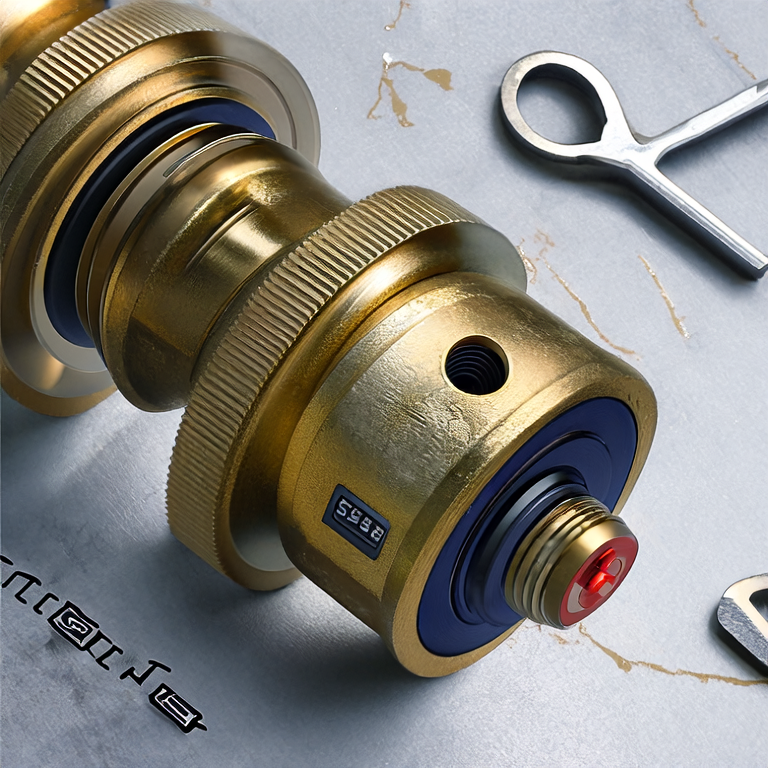
An Oil Control Valve is a vital component of modern automotive engines, specifically in variable valve timing (VVT) systems. It functions by adjusting the flow of engine oil to the timing system, mitigating the risks of oil starvation and ensuring that the engine operates within an optimal range of temperature and pressure. Typically, OCVs utilize electromagnetic solenoids to open or close oil passages, dynamically controlling oil flow based on operating conditions.
In industry terms, the OCV is categorized under hydraulic control devices. These devices employ hydraulic pressure within the oil galleries of an engine to adjust timing, leading to improved performance metrics. The precision with which an OCV operates is crucial; studies indicate that even a slight deviation in oil flow can result in a 5% drop in engine efficiency.
Oil Control Valves are primarily used in:
These applications illustrate the versatility and critical importance of OCVs across different sectors, each demanding reliability and performance.
The significance of Oil Control Valves can be summarized in the following advantages:
Understanding these key benefits highlights the importance of integrating high-quality OCVs into automotive designs to meet evolving standards in performance and efficiency.
To fully reap the benefits of an Oil Control Valve, it is vital for vehicle owners and engineers to familiarize themselves with the device's operation and maintenance. Consider consulting the user guide for your vehicle or reach out to manufacturers like Ostberg, known for their high-quality OCVs. Their commitment to innovation in engine management systems represents a reliable choice for your automotive needs.
How often should I check the Oil Control Valve? Regular inspections should be part of your vehicle maintenance routine, ideally during oil changes or every 5,000 miles, depending on manufacturer recommendations.
What are the signs of a failing Oil Control Valve? Symptoms of a failing OCV include decreased engine performance, warning lights on the dashboard, and abnormal engine noises.
Can I replace the Oil Control Valve myself? While it's possible, we recommend consulting an automotive professional unless you have experience with engine repairs.
Where can I learn more about OCV brands like Ostberg? You can visit Ostberg’s official website or contact their customer support for detailed product information and user guides.
In conclusion, understanding oil control valves is not just about knowing their definition; it involves recognizing their critical role in modern automotive engineering and their advantages in everyday vehicle operation. Proper care and knowledge can significantly enhance your driving experience and protect your investment.