NEWS
The latest news updates of the company are an important channel for you
to quickly learn about our company
to quickly learn about our company
In the automotive industry, the Oil Control Valve plays a crucial role in enhancing engine performance and efficiency. As vehicles evolve and demand for fuel efficiency increases, the significance of the oil control valve has surged. This component regulates the flow of oil throughout the engine, influencing both fuel economy and power output. Understanding its importance and how to recognize symptoms of a malfunctioning oil control valve can help car owners prevent costly repairs and maintain optimal vehicle performance. In this article, we will explore the role of the oil control valve, its applications across various vehicles, and how it impacts efficiency.
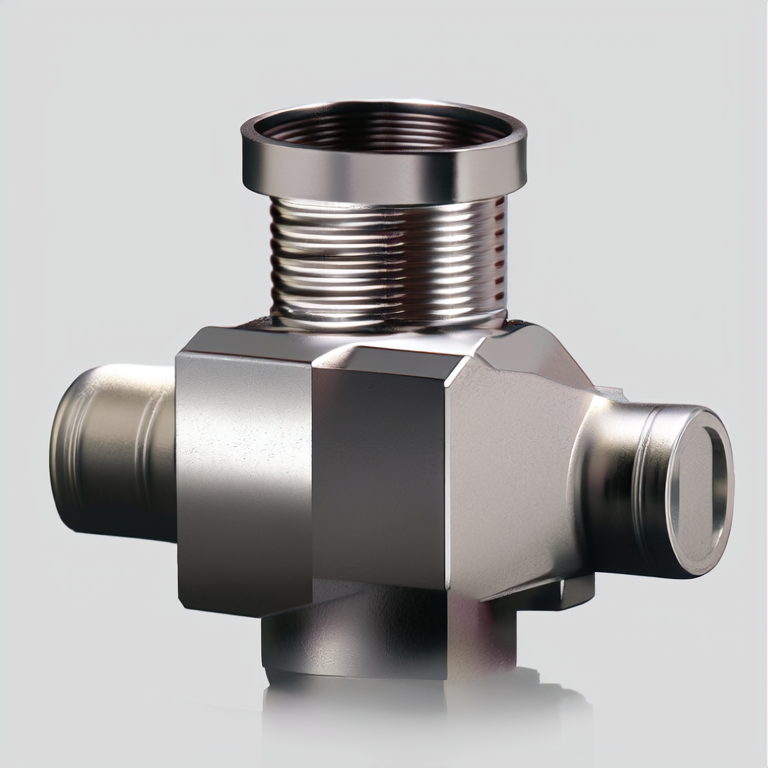
The oil control valve (OCV) is an essential component in modern internal combustion engines, responsible for managing the flow of engine oil based on varying operational conditions. It utilizes technology such as variable valve timing (VVT) to adjust the oil pressure in the engine, thereby enhancing efficiency and performance. The OCV operates on the principle of hydraulic systems: by varying oil flow and pressure, it adjusts the timing of valve openings and closings, optimizing both power delivery and fuel consumption.
Key Term Analysis:
Oil control valves are primarily used in various types of internal combustion engines, ranging from gasoline to diesel. They are integral to many automobile brands, including high-performance vehicles like BMW and Audi, and more economical models such as Toyota and Honda. OCVs are critical in engines where fuel efficiency and performance are paramount, making them a standard feature in modern vehicles.
In hybrid and electric vehicle designs, while the OCV might not be as prevalent, its principles still guide the efficiency of regenerative braking systems and other hydraulic-based components. This widespread usage demonstrates the universal need for efficient oil management systems across the automotive sector.
The oil control valve is significant for several reasons:
Recognizing the benefits of proper oil management can lead to significant long-term savings and a more environmentally friendly driving experience.
For those experiencing potential issues with their oil control valve or wanting to learn more about preventative maintenance, reading the vehicle maintenance guide is vital. Understanding recommended service intervals and how to check oil levels can prolong the life of your engine and ensure that the OCV performs optimally. Familiarizing yourself with the symptoms of a malfunctioning oil control valve, which can include engine stuttering or poor fuel efficiency, is also crucial.
Symptoms of a malfunctioning oil control valve include:
Driving with a malfunctioning OCV is not recommended, as it can lead to engine damage or reduced performance. An immediate assessment by a professional is advisable.
Brands such as Ostberg offer high-quality oil control valves with advanced technology ensuring durability and efficiency. Their products are often preferred in various automotive applications and are known for reliability.
Understanding the oil control valve and its critical role in vehicle performance can empower car owners. For those interested, exploring products from reputed brands like Ostberg can further enhance vehicle efficiency and longevity.